
Just Energy Transition Partnerships Ahead of COP30
Just Energy Transition Partnerships (JETPs), launched at COP26 in 2021 in Glasgow, represent a groundbreaking framework to support developing nations in transitioning to sustainable energy systems while prioritising social equity. The first JETP was established between South Africa and the International Partners Group (IPG), initially comprising G-7 nations and the EU, with later additions including Denmark and Norway. Subsequent partnerships were signed with Indonesia (2022), Vietnam (2022), and Senegal (2023). These agreements have committed $30.8 billion in public climate finance to accelerate climate change mitigation while ensuring a just transition that prioritises workers’ rights and community welfare. However, JETPs are not without their shortcomings. In this blog, I will discuss the potential and limits of JETPs and highlight areas for improvement ahead of COP30.
The Promise of JETPs for the Global South
JETPs are vital for supporting energy transitions in the Global South. Indonesia, the largest greenhouse gas emitter among JETP countries, aims to phase out coal-fired power plants by 2040. In 2023, Indonesia and the IPG agreed to a $21.6 billion commitment, with $11.6 billion from public funds and $10 billion from international banks under the Glasgow Financial Alliance for Net Zero (GFANZ). Indonesia’s National Energy Transition Task Force Vice Chairman, Febrio Kacaribu, emphasized that these funds would catalyze broader investment, driving a multiplier effect on the energy sector and local economy.
JETPs are also innovative in their provisions for a “just”, equitable, inclusive and sustainable transition, considering both the distributive impacts that the transition will have, and the consequences of climate change which have already occurred on the most vulnerable. These considerations are vital for partner countries such as South Africa, for example, where the downscaling of coal mining significantly affects low-income mining communities and households.
Key Challenges Facing JETPs
Despite their promise, JETPs face significant challenges. The allocated funding, while substantial compared to other climate finance initiatives, is still a long way off from transition needs. For instance, Indonesia’s JETP roadmap estimates a requirement of $97.3 billion by 2030—over four times the pledged amount. This funding gap raises concerns about the partnerships’ ability to deliver transformative change.
Additionally, the reliance on loan-based financing has drawn criticism for risking debt distress and foreign exchange vulnerabilities in partner countries. Critics argue that commercial loans are poorly suited for projects with high social benefits but low financial returns, such as worker compensation or early coal plant retirements.
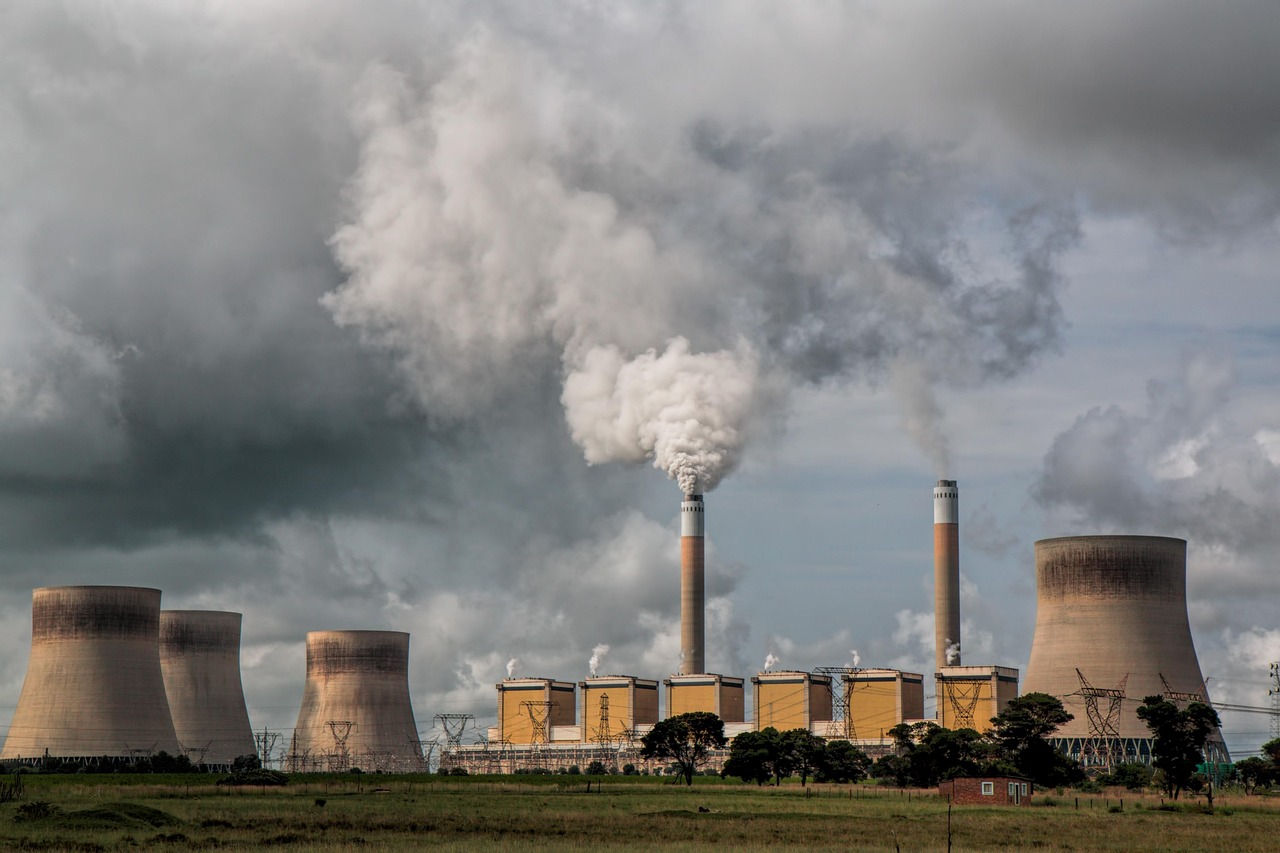
Economic challenges tied to existing fossil fuel infrastructure further complicate JETPs. In South Africa, for example, plans to shutter coal power plants face considerable domestic pushback due to widespread unemployment and power shortages. Insufficient funding and inadequate worker protection measures continue to present significant barriers to retraining and supporting affected communities for a successful “just” transition.
Furthermore, the continued construction of captive coal-fired power plants (CFPPs) in partner countries such as Indonesia undermines the energy transition’s credibility and uniformity.
Opportunities to Revitalise JETPs at COP30
The upcoming COP30 in Belém, Brazil, in November 2025, provides a critical opportunity to revitalise JETPs. For IPG members, securing firm commitments from remaining members is necessary to maintain cohesion and signal strong resolve following the U.S. withdrawal from the IPG in March 2025 by encouraging the EU and remaining G-7 nations to increase their commitments. Moreover, expanding IPG membership by incorporating new donor countries, such as Australia or South Korea, would broaden the pool of concessional finance, reduce the burden on existing members, and enhance scalability to support more developing nations.
To bolster JETPs themselves, several measures are essential. First, increasing grant-based funding and concessional loans can alleviate debt burdens and make financing more suitable for socially beneficial projects, while exploring innovative financing models like blended finance or green bonds as viable options. Establishing stricter oversight and clear timelines for phasing out coal, including captive CFPPs, is also necessary to align partner countries with JETP goals. Critically, JETPs must fully adopt the “Just” aspect of transitions and endeavour to incorporate worker perspectives and demands to ensure a truly just and equitable outcome, through targeted support programs such as reskilling initiatives and community-led projects.
JETPs remain a bold and innovative experiment in global climate finance, aiming to balance environmental and social priorities. However, their success depends on addressing funding gaps, rethinking financing structures, and ensuring equity. Without urgent reforms, the promise of a just energy transition risks being undermined, leaving developing nations to bear the brunt of a warming world. As COP30 approaches, reinforcing JETPs with greater financial and political commitment is crucial for achieving equitable and sustainable energy transitions.
Written by Hochung Cho, an undergraduate exchange student at the University of Leeds from Korea University. Hochung Cho previously conducted research for the project “Just Energy Transition Partnership (JETP) diplomacy and engagement of Republic of Korea (RoK)” as an intern at the Ilmin International Relations Institute.